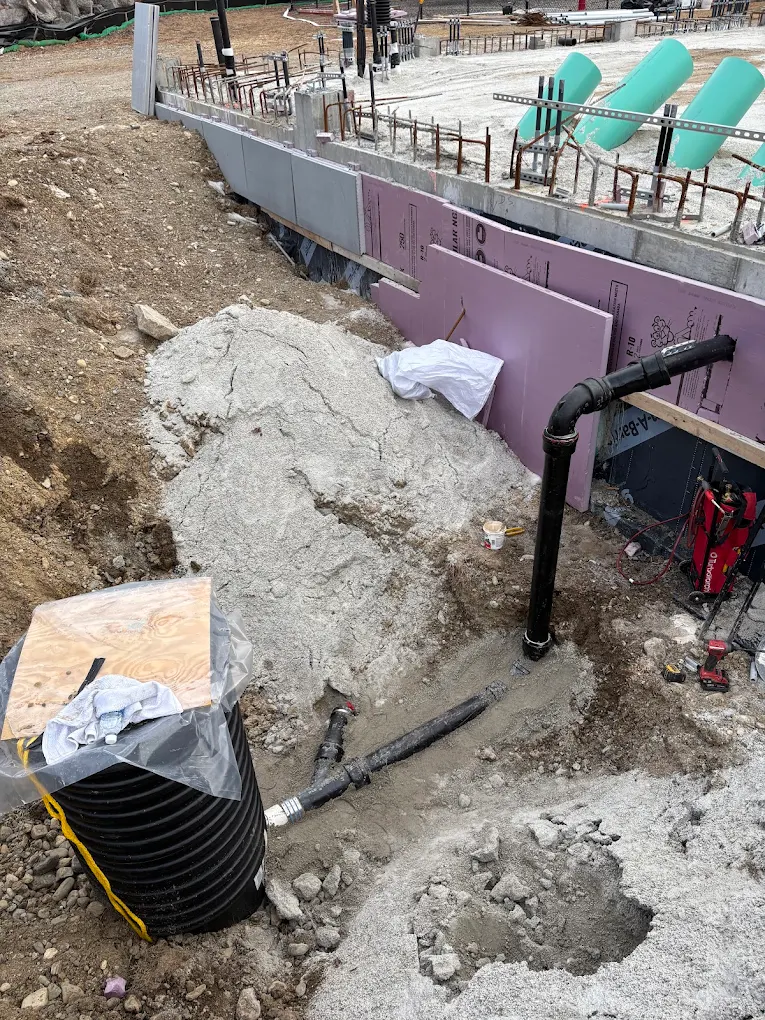
Slow drains, gurgling fixtures, sewage smells, or wastewater backing up where it should not be are all signs your sewer line may need attention. When the line is damaged, blocked, or offset, the symptoms often show up inside the home first, and they rarely stay mild for long.
In business for 8 years, Jr’s Plumbing Services helps property owners in Milford and Worcester County, MA address sewer line concerns. We review the affected fixtures, recurring symptoms, and condition of the line before discussing the repair plan. Some drainage problems call for drain cleaning; others involve damaged piping that needs repair. Call 774-570-1012 and tell us which drains are affected so we can discuss the next step.
Sewer line damage does not always start with a dramatic backup. Many calls begin with small changes that seem easy to ignore at first. Those changes often point to a deeper restriction or break farther out on the line.
These warning signs often show up before the damage becomes harder to control. If you notice a pattern instead of a one-time clog, sewer line repair should be on the list.
Sewer lines can fail for different reasons, and the right repair depends on what is actually happening below ground. We start by looking at the behavior of the system and the pattern of the symptoms, then we determine the likely cause.
Grease, debris, and other buildup can narrow the line over time. A partial blockage may drain slowly for weeks before it turns into a complete stop.
A cracked section can leak wastewater into the surrounding area and allow the line to lose its ability to move waste away from the building.
When sections shift out of alignment, waste can catch at the joint and create repeated backups.
If roots find a weak point, they can enter the pipe and keep spreading through the opening.
Older or deteriorated pipe materials can weaken enough that repairs become necessary rather than simple clearing.
Jr’s Plumbing Services looks for the reason the line is struggling, not just the symptom at the drain. That approach helps avoid short-term fixes that do not address the real problem.
Not every sewer line problem calls for the same solution. Some lines need a section repaired, while others need a blockage removed and the damaged area stabilized. The right answer depends on the extent of the problem and where it is located.
If one part of the line is cracked, shifted, or leaking, we can focus on that damaged section rather than disturbing areas that are still serviceable. This is often the right approach when the trouble is concentrated and the rest of the line is still sound.
When the line is backing up because of buildup or intrusion, clearing the restriction may be the first step before a more specific repair is made. Removing the cause helps restore the line’s ability to carry waste away from the home.
Loose connections and offset joints can create ongoing trouble even when the pipe itself is not completely failed. Addressing those weak points can stop repeated clogs and reduce sewage odor problems.
We will walk through the condition of the line, what is causing the issue, and what kind of repair makes sense before work begins.
A careful assessment matters because sewer line symptoms can look similar even when the underlying cause is different. A toilet backup, for example, may come from a restriction, a damaged section, or an offset connection. The repair should match the condition.
We start with what you have noticed, such as slow drains, odors, backups, or repeated clogs.
One slow drain is different from several drains affected at once. The pattern helps narrow down the source.
We look for signs that point to a blockage, break, or other sewer line defect.
Once the issue is identified, we explain the repair path and what it is intended to correct.
This process helps avoid guesswork and gives you a clearer picture of what is happening with your sewer line. Jr’s Plumbing Services keeps the conversation direct and practical so you know what comes next.
Homeowners often want to know how sewer line repair visits usually unfold. The work depends on the condition of the line, but the general process stays focused on solving the source of the trouble rather than masking the symptoms.
Jr’s Plumbing Services keeps the process straightforward so you are not left guessing about the condition of your sewer line or the next step.
Some sewer line problems start small and stay manageable if they are addressed early. Waiting too long can allow sewage to back up into lower fixtures, spread odors, and create a larger repair need.
Pay attention to repeat clogs, slow drainage across multiple fixtures, or odors that seem to come and go. If you have already plunged, snaked, or tried to work around the issue and the problem keeps returning, the line itself may be the real source.
For homeowners and property owners in Worcester County, MA, sewer line repair is not something to keep putting off when the warning signs are already there. Jr’s Plumbing Services can help you get a clear answer and move toward the right fix.
We work with customers throughout Worcester County, MA who need sewer line repair for homes and other properties. Whether the trouble is a recurring backup, a stubborn clog, or a line that has started to smell or drain differently, we are ready to take a closer look.
If you need sewer line repair from a local plumbing company that keeps the focus on the problem at hand, contact Jr’s Plumbing Services at +17745701012 or email hailtonjrsilva@icloud.com. Our hours are Monday through Friday, 6:00 AM to 5:00 PM, and Saturday, 7:00 AM to 2:00 PM.
Repeated clogs, multiple slow drains, sewage odors, and wastewater coming back up through fixtures are common warning signs. When several drains are affected, the issue is often beyond a single sink or toilet.
Not always, but repeated toilet clogs can be a sign of a deeper blockage or another sewer line issue. If the same toilet keeps acting up after clearing attempts, it is worth checking the line.
Gurgling often means air is trapped by a restriction or blockage. The sound is a clue that water and air are not moving through the line the way they should.
Yes, it often does. If the sewer line is restricted or damaged, several fixtures may drain slowly or back up because they all depend on the same main path out of the building.
Persistent sewage odors can point to a sewer line leak, blockage, or backup. If cleaning the visible drain area does not solve it, the source may be farther into the line.
One affected fixture can point to a local drain issue, while multiple affected fixtures often suggest a problem in the sewer line. A full assessment helps separate a fixture issue from a line issue.
Schedule Service
Tell Jr’s Plumbing Services about your leak, clogged drain, water heater issue, or upcoming project. Call 774-570-1012 or send a service request to discuss the work and scheduling. In business for 8 years.